November 11, 2026
As the years pass, maintaining optimal health becomes a priority for many individuals, and protecting your vision is a critical component of this lifelong journey. The eyes undergo natural changes over time, and taking a proactive approach is essential to preserve clarity and comfort. While some vision shifts are a normal part of the aging process, others can significantly impact your daily life if left unaddressed. Understanding how your eyes evolve allows you to make informed decisions about your well-being. By prioritizing regular care, you can mitigate the effects of natural deterioration and maintain your independence. Many people overlook the importance of early intervention, waiting until their vision noticeably declines before seeking help. However, staying ahead of your aging eyesight requires consistent attention and a commitment to preventive measures. Whether you are adjusting to reading glasses or exploring advanced options like cataract surgery, knowledge is your most powerful tool. Empowering yourself with the right information ensures that you can enjoy a vibrant, clear view of the world. Recognizing the value of eye health is the first step toward a brighter future.
Understanding the Aging Process of the Eyes
The human eye is a complex organ that naturally changes as time goes on, affecting how well you see the world around you. One of the most common shifts involves the lens inside the eye, which gradually becomes less flexible and thicker, making it harder to focus on close objects. This natural progression often leads people to rely on reading glasses for detailed tasks. In addition to flexibility changes, the lens can also become clouded, obscuring vision and reducing the vibrancy of colors. According to the National Eye Institute, more than half of all Americans age 80 or older either have cataracts or have had surgery to get rid of cataracts. This underscores how common these age-related changes truly are. Beyond the lens, the muscles that control pupil size also lose some strength, causing the eyes to react more slowly to changes in lighting. This means you might need brighter lights for reading or experience more glare when driving. Acknowledging these natural developments is vital for adapting your lifestyle and ensuring your safety. Staying informed helps you recognize when a symptom is a normal change versus a sign that you might need a procedure such as cataract surgery to restore clarity.
Recognizing the Symptoms of Vision Changes
Being vigilant about changes in your vision is crucial for timely intervention and maintaining your quality of life. Symptoms of aging eyes can manifest in various ways, often beginning subtly before progressing to more noticeable disruptions. You might find yourself squinting to read menus, struggling to distinguish between similar colors, or feeling strain after spending time on digital devices. Increased sensitivity to glare from headlights or lamps is another frequent complaint among those experiencing age-related vision shifts. A gradual dimming of your overall vision, where everything appears slightly yellowed or faded, is a hallmark sign that the lenses in your eyes are changing. It is important not to dismiss these symptoms as mere inconveniences, as they can sometimes indicate more significant underlying conditions that require professional attention. Ignoring progressive blurriness or difficulty seeing in low light can lead to accidents and a decrease in your ability to perform daily tasks independently. Keeping a personal log of when and how your vision fluctuates can provide valuable information for your provider. If your symptoms point toward a developing cloudy lens, discussing the potential need for cataract surgery with a professional can help you plan for a clearer future.
Exploring Options for Advanced Eye Care
Navigating the landscape of eye care involves understanding the variety of tools and treatments available to support your vision. For many, the journey begins with updated prescription lenses, which can correct minor refractive errors and alleviate the strain associated with focusing on nearby objects. Specialized lens coatings, such as anti-reflective technologies, can further enhance comfort during specific tasks like reading or using a computer. However, as the eyes continue to age, external corrective lenses may no longer be sufficient to provide optimal clarity, especially when the internal structures of the eye are affected. When conservative measures fall short, modern medicine offers remarkable advancements that can dramatically improve your sight. For instance, when clouded lenses significantly impair your vision, cataract surgery remains one of the most effective and reliable methods to restore visual acuity. This procedure involves replacing the cloudy natural lens with an artificial one, allowing light to pass through unobstructed. The recovery from cataract surgery is generally swift, and many individuals report a profound improvement in their ability to see vivid colors and crisp details. Exploring these advanced options ensures that you are not settling for diminished vision when transformative solutions are accessible.
Maintaining Healthy Habits for the Eyes
Proactive lifestyle choices play a monumental role in preserving your vision and supporting overall ocular health as you age. A balanced diet rich in essential vitamins, leafy greens, and colorful vegetables provides the necessary nutrients to protect the delicate tissues of your eyes from environmental damage. Staying adequately hydrated is equally important, as it helps maintain the natural moisture and lubrication required for comfortable vision, reducing the risk of dry, irritated eyes. Furthermore, safeguarding your eyes from harmful ultraviolet radiation by wearing high-quality sunglasses when outdoors can prevent accelerated damage to the lens and retina. Adopting good habits during screen time, such as taking frequent breaks to rest your focus and ensuring proper lighting in your workspace, can minimize digital eye strain. Avoiding harmful habits like smoking is also paramount, as tobacco use is closely linked to a higher risk of developing severe ocular conditions. Incorporating regular physical activity into your routine boosts blood circulation, which delivers vital oxygen and nutrients to your optical system. While these healthy practices are incredibly beneficial, they work best when combined with professional monitoring, ensuring you are well-prepared if you eventually require an intervention like cataract surgery to maintain your visual clarity.
Seeking Professional Guidance for Vision
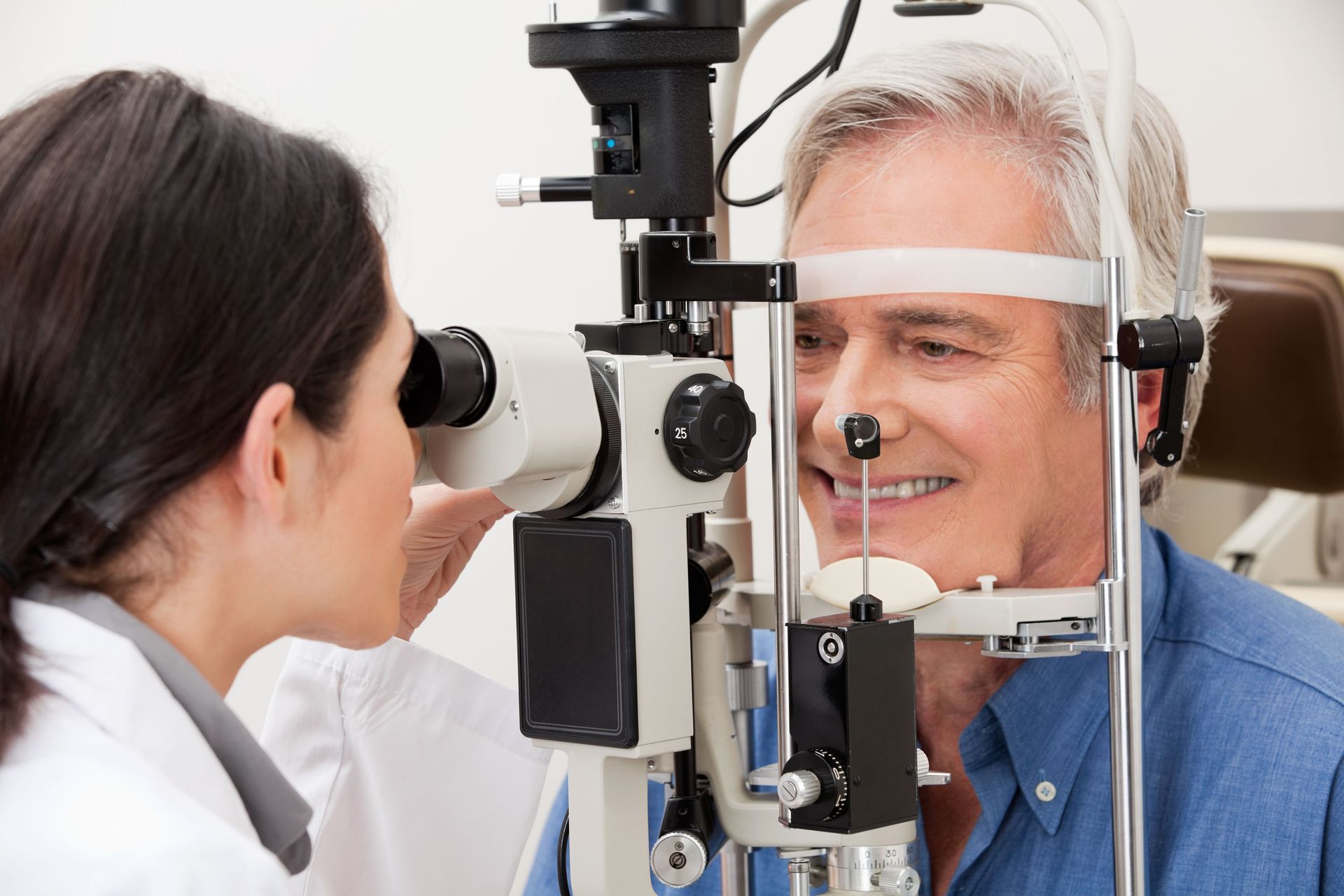
Establishing a strong relationship with an eye care specialist is the cornerstone of any effective strategy for aging eyes. Routine comprehensive examinations are the only way to detect subtle changes in your ocular health before they evolve into significant problems. During these visits, professionals can evaluate the internal structures of your eyes, check for elevated pressure, and assess the health of your optic nerve. These thorough assessments allow for the early detection of conditions that do not always present immediate symptoms, ensuring that you receive the most effective interventions possible. Your provider can also offer personalized recommendations tailored to your specific lifestyle, visual demands, and family history. Having an expert guide you through the aging process alleviates the anxiety that often accompanies changes in your sight. They can answer your questions, dispel common myths, and provide reassurance when you encounter new visual challenges. Furthermore, a professional can seamlessly coordinate your care if specialized treatments like cataract surgery become necessary, guiding you through every step of the process with compassion and expertise. Prioritizing these regular appointments is a profound investment in your long-term independence, allowing you to address any issues promptly and keep your vision sharp.
Protecting your eyesight is a continuous commitment that yields immeasurable rewards in the form of clear vision and sustained independence. By understanding the natural changes that occur, recognizing early symptoms, and exploring all available care options, you can actively manage your ocular health. Coupling healthy daily habits with consistent professional oversight creates a robust defense against the common challenges of aging eyes. Your vision connects you to the world, allowing you to experience life's most beautiful moments with clarity and vibrant detail. Never underestimate the power of proactive care and the peace of mind that comes from knowing you are doing everything possible to support your sight. If you are experiencing changes in your vision or simply want to establish a strong preventive care routine, professional support is just a phone call away. Call Eye Consultants PC today to learn more about how to protect your vision and enjoy a brighter future.